Canada: The Historical Context of a French-British-American Sandwich

The view of Canadian History from an outside perspective and deeper analysis of the structural processes in motion. It is important to review the historical context, specifically British-US conflicts and trade relations. A simple summary of the 1700s is that Canada was subject to a tug of war between French and British colonial interest. This Anglo-Franco dynamic has shaped much of the internal and external politics of the North American colonies. The following Chronology is a highlight reel of French-British-American relations in regards to North America, with my analysis following further below.
French Colonization
1535 — Jacques Cartier records first use of the word ‘Canada’ in reference to the Iroquois village of Stadacona. Canada is a Francophone derivative of kanata, an Iroquois word meaning village.
1608 — Champlain establishes Quebec City.
1627 — France charters Company of New France to administer the French colonies.
1607-1732 — Establishment of the 13 British Colonies, which would lead the American Revolution.1642 — French establish Fort Ville Marie, which would later become Montreal.
1663 — Company of New France cedes Canada to France.
1670 — Hudson Bay Company is chartered by the British Crown to monopolize the fur trade.
1673 — Fort Frontenac founded by French, to become Kingston after the 7 Years' War. It became the first capital of Canada in 1841.
1679 — French establish Fort Miami at St. Joseph, Michigan.
1694 — Britain establishes Company of the Bank of England as a private company. 1701 — French establish Fort Pontchartrain du Détroit.
1713 — Treaty of Utrecht, France cedes Acadia, New Found Land, and Hudson Bay region to Britain.
1717 — Scottish John Law founded the Mississippi Company, which absorbed all French colonial companies and led to settlements in Louisiana.
1750 — French establish Fort Rouille, which would later become Toronto.
British Conquest
1754 — French and Indian War, between Britain and France and their respective Native allies. Primarily this was fought over control of the North American American colonies especially the Ohio River Valley. The expulsion of the Acadians from Nova Scotia happened during this period, many ended up in Louisiana, known as Cajuns.
1756 - 7 Years’ War in Europe. Quebec and Montreal fall to the British.
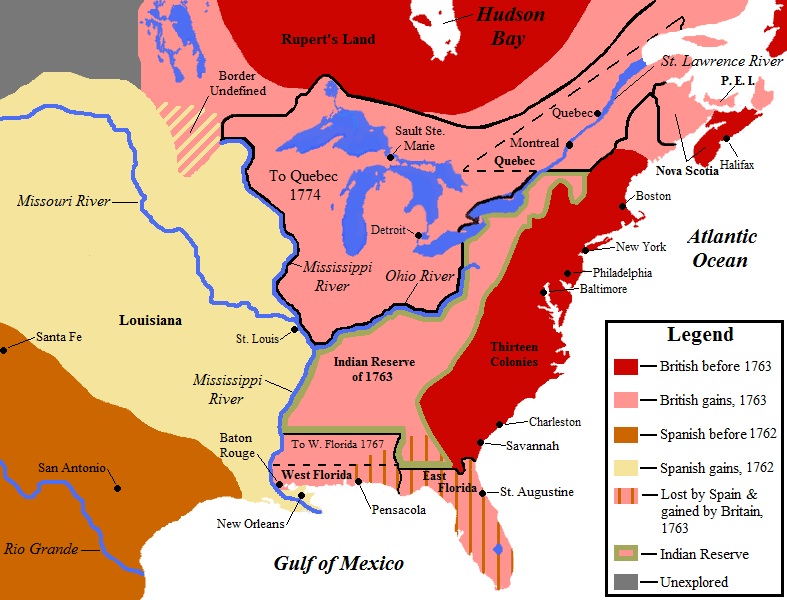
1762 — France cedes Louisiana Territory west of the Mississippi to Spain, to prevent it from falling into British hands. In exchange, Spain joins the War.
1763 — Treaty of Paris ends the Seven Years' War between the European Houses. France cedes Quebec to Britain, including all territory east of the Mississippi which includes the Ohio River Valley. Spain cedes Florida to Britain.
1763 — Royal Proclamation sets aside Ohio River Valley as Indian Reserve.
1765-1768 — Britain passed the Stamp Act which imposed a direct tax called Stamp Duty. And the Townshend Acts, which placed import duties on many goods from Britain. Britain sends a strengthened military presence to enforce the new Acts.
1770 — The Boston Massacre, British soldiers shot into a crowd, killing 5 colonials.
1773 — Britain passes the Tea Act exempting East India Company from Stamp Duty. The Boston Tea Party happened in protest of this, where Sons of Liberty threw EIC tea bags overboard.
1774 — British Crown passes the Coercive Acts, resulting in the following:
- Closure of the Port of Massachusetts in Boston.
- Removal of Massachusetts’ right to elect its council, granted to King to appoint.
- Trials of British Officials to take place in Britain not in the colonies.
- The Governors were granted the right to take as many buildings as they think necessary to house British soldiers.
- The Quebec Act, which reclaimed the Ohio River Valley as part of Quebec, and protected Catholic rights.
Revolution
1774 — Colonial response was to adopt The Suffolk Resolves:
- Boycott British imports
- Disobey the Port closure and the King’s right to appoint the council.
- Demand resignations of the King’s appointees.
- Refuse payment of taxes until election rights are reinstated.
- Support a colonial government in Massachusetts free of royal authority.
- Advocate that the Colonies raise a militia.
1775 — Britain declares Massachusetts in state of rebellion, and orders destruction of military supplies. Colonials were warned in advance and gathered widespread support. The American Revolution had begun.
1775 — John Jay pens letter from Congress to Quebec to rally against Britain.
1776 — The 13 British Colonies declare independence from the British Crown.
1777 — US signs Articles of Confederation, Article 11 was open for Canadian ratification which did not happen.
1778-1780 — French, Spanish, and Dutch became allies of the US against Britain. New York served as the primary base for the British military.
1781 — British establish Butlersburg at Niagara, named after Loyalists. It was renamed Newark and became the first capital of Upper Canada in 1792. Many British loyalists migrated to Canada due to persecution in the US, and many were given land grants in by Britain.
1783 — Treaty of Paris, the 13 Colonies gained independence as well as all territory east of the Mississippi. Britain ceded Florida to Spain.
Westward Expansion
1783 — North West Company was established by French, English & Scottish merchants in Montreal to compete with London’s HBC.
1788 — US Constitution was ratified.
1789-1801 — Federalist Party under Alexander Hamiliton strongly favored Britain over France. The last Federalist senator in 1816 was from New York. And the party had a strong base in New England until after the War of 1812. Late Loyalists continued to migrate to Quebec until 1812.
1791 — Constitutional Act passed by British Parliament, divides Quebec into Upper Canada (English-speaking) and Lower Canada (French-speaking).
1792 — American captain John Gray names the Columbia River after his ship, which gave birth to the name of British Columbia.
1793 — Toronto was founded as York and became the capital of Upper Canada in 1796.
1794 — Jay Treaty, Britain is forced to withdraw its remaining presence from the Ohio River Valley. But continues to supply weapons to Natives to slow US expansion.
1799 — Russian American Company is charted by Russia, Sitka is established.
1800 – Third Treaty of San Ildefonso, Spain cedes Louisiana back to France after France victory in the War of the Pyrenees.
1803 — Louisiana Purchase, US buys Louisiana Territory west of the Mississippy from France.
1811 — Pacific Fur Company established Fort Astoria in Oregon.
America Declares War
1812 — President James Madison declares War against Britain due to British naval blockades, trade restrictions and British support for Natives resistance. Federalists largely opposed the war, especially in New England. Britain was heavily engaged in the Napoleonic Wars, both sides were unprepared for War. PFC sells Astoria trading post to NWC to avoid loss.
1814 - Treaty of Ghent, the end of the War returned the borders to the same status before the War started. The US saw that Spain would re-establish colonial authority after the Napoleonic Wars ended and continued to push for expansion.
1815 — The British Secretary of War makes an order that no land can be granted to Americans, and they are prohibited from entering Upper Canada. Resulting in firm anti-American policy, favoring English, Irish, and Scottish settlers to maintain British control. This sentiment would remain strong until the 1850s.
Continuing Disputes
1816 — Dallas Tariff, first explicitly protective American Tariff, 25-30% to protect industry instead of funding the government for defense.
1817 — Rush–Bagot Treaty, provided for British-US disarmament of their border.
1818 — Treaty of 1818, Britain agrees to cede all of Rupert’s Land south of 49th parallel to US. This included parts of modern-day Montana, Minnesota, and North and South Dakota. Leaves Oregon Territory open for settlement to both sides.
1821 — NWC was forcibly merged with HBC to amalgamate British interests.
1823 — James Monroe establishes the Monroe Doctrine after many Spanish Colonies gained independence from Spain, excluding European influence in the Americas.
1824 — HBC establishes Fort Vancouver on the Columbia River. The US raises tariffs to 35%. 1825 — Russo-American & Anglo Russian Treaties limit Russian incursion into North America.
1827 — HBC established Fort Langley in British Columbia.
1828-1833 — US is in internal strife on tariffs between the North and South, leading to the first threat of civil war. Result is Compromise Tariff of 1833 at 20%.
1837-1838 — Upper and Lower Canada Rebellions, fueled by Republican sentiment. British troops harshly suppressed the rebellions, and imprisoned or exiled hundreds of activists. Many rebels fled to the US. Some were imprisoned and put on trial for insurrection against the Crown, they were hanged or sent to Australia.
1838 — Aroostook War, Maine-New Brunswick border was not clearly defined and almost boiled over into another armed conflict between Britain and America but it was averted by diplomacy.
1839 — Durham Report, the Governor General investigated the Rebellions and called for reforms. On the first page of his report he stated that "while the present state of things is allowed to last, the actual inhabitants of these Provinces have no security for person or property—no enjoyment of what they possess—no stimulus to industry."
1840 — Act of Union, merges Upper and Lower Canada into the Province of Canada. First Parliament of the Province of Canada was convened. HBC establishes Fort Victoria in case Britain loses Fort Vancouver to the US.
1842 — Webster–Ashburton Treaty, settled Aroostook boundary dispute and Minnesota border. Black Tariff, the Whigs doubled the tariffs up to 40%.
1846 — Oregon Treaty, establishes American and British border at 49th parallel through Oregon Territory. Britain loses Fort Vancouver but is fortunate to retain the bulk of British Columbia. America just entered the Mexican-American War and was engaged there. Walker Tariff, lowers tariffs to 25%. Major boost to British-US trade. Britain repeals Corn Laws, reducing favored trade status of Canada with Britain.
1848 - Administrative reforms led to majority vote requirements, reforms in education.
1849 — Montreal Annexation Manifesto, 325 merchants signed a document to merge Canada with the US due to economic depression.
1854 — Reciprocity Treaty, Britain repeals food import tariffs, Canadian merchants push for Free Trade with US. Resulted in removal of 21% tariff, and allowed duty-free export of raw materials and produce from Canada to the US. This was a major change in British-Canada relations.
1857 — Cayley–Galt Tariff, Canadians add 20% tariff on manufactured goods, to boost manufacturing industry. Tariff of 1857, US lowers tariffs on manufactured good to 20%.
Confederate Secession
1861 — Morrill Tariff Act, passed just before the American Civil War to support Union industrial growth. The US talked seriously about annexing Canada before the War. Britain tacitly supports the Confederacy in violation of neutrality laws. Britain allowed merchants to build and sell several warships to the Confederacy. Montreal and Halifax became centers for blockade runners. Canada profits immensely from war trade in spite of high tariffs.
1864 — Charlottetown and Quebec Conferences; Fathers of Canadian Confederation negotiate union. Followed by the London Conference in 1866.
1866 — After the Civil War, the US canceled the Reciprocity Treaty, as it only benefitted Canada. The 1866 Annexation Bill fails in the US House. The US allows Fenian Raids into Canada by the Irish, to pressure Britain to grant Irish Independence.
Canadian Confederation
1867 - Alaska Purchase, starting before the Civil War, and resuming after Union victory, Russia wanted to weaken Britain and the US wanted to expand. The US purchases Alaska.
1867 — One day before the Alaska Purchase, the Crown gave royal assent to the British North America Act. On July 1, this led to the creation of the Dominion of Canada with initial provinces: Ontario, Quebec, Nova Scotia, New Brunswick. The primary objective was to prevent any further loss of British territory.
1868 - British Parliament authorized transfer of Rupert’s Land from Hudson Bay Company to British Crown. Canada created Federal Dominion Police in response to the Fenian Raids. The US passes the 14th Amendment.
1869 — Riel led the Red River Rebellion against HBC. Britain rejects the American offer to purchase Rupert’s Land.
1870 — Minnesota made an annexation proposal for the Red River Colony. The British Parliament admitted Rupert’s Land into Canada. Canada created the Province of Manitoba to deal with the Red River Rebellion. Rupert’s Land eventually became the North West Territories, Manitoba, Saskatchewan & Alberta. Quebec creates Provincial Police to address crime, and collect taxes.
1871 — Washington Treaty, settled British Columbia-Washinton State border.
1872 — Canada passed the Dominion Lands Act, offering land grants to encourage Prairie settlement. Americans migrated especially to Alberta and Saskatchewan from 1872-1910.
1873 — Canada creates North West Mounted Police, precursor of Royal Canadian Mounted Police, to protect Manitoba & the rest of Rupert’s Land.
1876 — Indian Act, passed to define governing of Indian Reserves.
1879 — National Policy tariffs, Canada implements protectionist counter tariffs.
1885 – North West Rebellion, Riel leads 2nd rebellion against North West Mounted Police. He lost the battle and was hanged for treason. Completion of Canadian Pacific Railway.
1890 — Mckinley Tariff, raises tariffs to 50% to pressure Canada into annexation. This fueled Canadian nationalism and strengthened British ties. Tariffs stayed high for the next 2 decades even though Canada continued to seek reductions.
1905 — Alberta and Saskatchewan become Provinces.
1911 — Canadian Conservatives rejected new reciprocity agreement.
The Great War
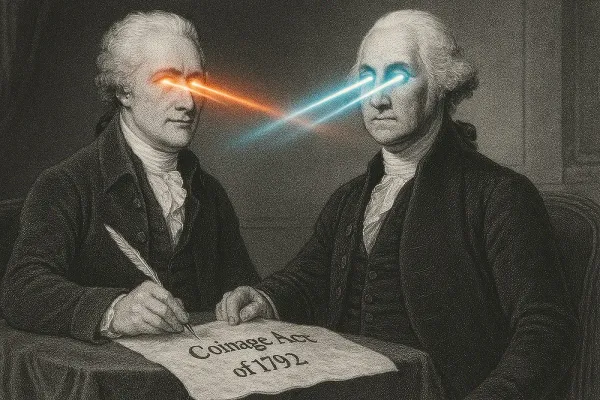
1913 — British merchant bankers backed the creation of the Federal Reserve. The Underwood Tarrif Act lowers tariffs from 40% to 27%. The 16th Amendment is ratified creating federal income tax to offset lost revenue.
1914 — Britain enters WW1. Canadian imports of British manufactured goods were replaced by the US which created a crossborder wartime industrial network. 1917 — US enters WW1. Canada creates the Income War Tax Act to implement federal income tax.
Interwar Period
1918 — Interwar period saw return of high 40-50% tariffs, but also booming cross-border trade.
1921 — Anglo-Irish Treaty, Irish gain independence from Britain.
1926 — The Balfour Report established that the Governor General was to act solely on the advice of the Canadian Cabinet, not the British government. This was followed by the King-Byng Affair, a constitutional crisis where Governor General, Lord Byng, refused Prime Minister Mackenzie King's request to dissolve Parliament. King’s Liberal minority government was involved in corruption, including bribery and bootlegging. Facing a likely no-confidence vote, King asked Governor General Lord Byng to dissolve Parliament. This would call a snap election, and potentially prevent King from losing power. Lord Byng refused, King resigned, and after a brief interim government an election was called. To date, this has been the only official use of the Crown's reserve powers.
1929 — Stock market crash leads to Depression and further protectionism.
1930 — US Smoot-Hawley Tariff Act, tariffs at 50-60%.
1931 — Statute of Westminster, Canada gains legislative independence.
1932 — Canada increased trade with other British Commonwealth Nations.
1935 — Canada-US Reciprocal Trade Agreement, US policy under Roosevelt shifted back to reciprocity granting favored trade status.
1935 — Bank of Canada, Canada establishes central bank.
World War 2
1939 — Britain & Canada enter War. The wartime industry boomed.
1940 — Canada-US agreements on defense integration and war production. Canada leased military sites to the US for defence. Alaska highway is built. Further wartime industrial production growth.
1941 — US enters War after Pearl Harbor.
1945 — Potsdam Agreement, Allied victory led to agreement for denazification of Germany. Canada maintained a military presence in Germany until 1969.
Post War Reciprocity
1947 — General Agreement on Tariffs & Trade, post war reconstruction agreement which was the beginning of 90 years of low tariffs and reciprocity. United States replaced Britain as the largest foreign investor in Canada in the postwar period.
1949 — NATO, North Atlantic Treaty Alliance, Canada enters as founding member to prevent European rivalries from resurfacing. Canada ends appeals to the Judicial Committee of the Privy Council.
1957 — NORAD, Canada-US North American Air Defense Command is created in Colorado.
1959 — St. Lawrence Seaway, completion of 5-year joint US-Canada venture to connect the Atlantic Ocean to the Great Lakes, enabling deep-draft ocean vessels to reach North America's interior.
1965 — Auto Pact, Ontario manufacturing benefits from reduced auto tariffs. Integrated cross-border auto sector, and reduced international trade.
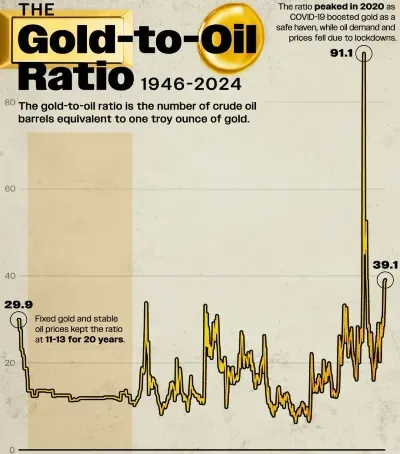
1966 — Canada makes a large sale of gold reserves to the US to help defend the $35 gold fix.
1963-1970 — Quebec separatists conducted a number of attacks between 1963 and 1970, which totalled over 160 violent incidents and killed eight people. These attacks culminated with the Montreal Stock Exchange bombing in 1969 and the October Crisis in 1970, the latter beginning with the kidnapping of British Trade Commissioner James Cross. In the subsequent negotiations, Quebec Labour Minister Pierre Laporte was kidnapped and murdered.
1970s — Canada continues sale of gold reserves and accumulates USDs, and bonds.
1980 — Quebec Referendum, vote 59.5% against secession.
1982 — Canada Act passes in Britain, transferring power to amend the Canadian Constitution from Britain to Canada.
1989 — Canada US Free Trade Agreement, established the world's largest free trade area covering a broad number of industries.
1994 — North American Free Trade Agreement, added Mexico to the free trade zone.
1995 — 2nd Quebec Referendum, vote 50.5% against secession. 2000 — Clarity Act, establishes the conditions under which Canada will negotiate the secession of a province, requiring a "clear" referendum question and a "clear majority" to move forward.
2016 — Canada makes its last gold sale, now only holds USDs & US bonds as reserves.
Return of Protectionism
2020 — USMCA, US Mexico Canada Agreement, replaces NAFTA. The US pushed for changes to trade agreements due to unfair outcomes. This is the beginning of the return of trade protectionism, and the end of the 90 year period of reciprocity.
2022 — Freedom Convoy, Canadians especially from western Provinces drove across the country to protest Covid Mandates. Canada invoked the Emergencies Act granting police extra powers to disperse the protesters.
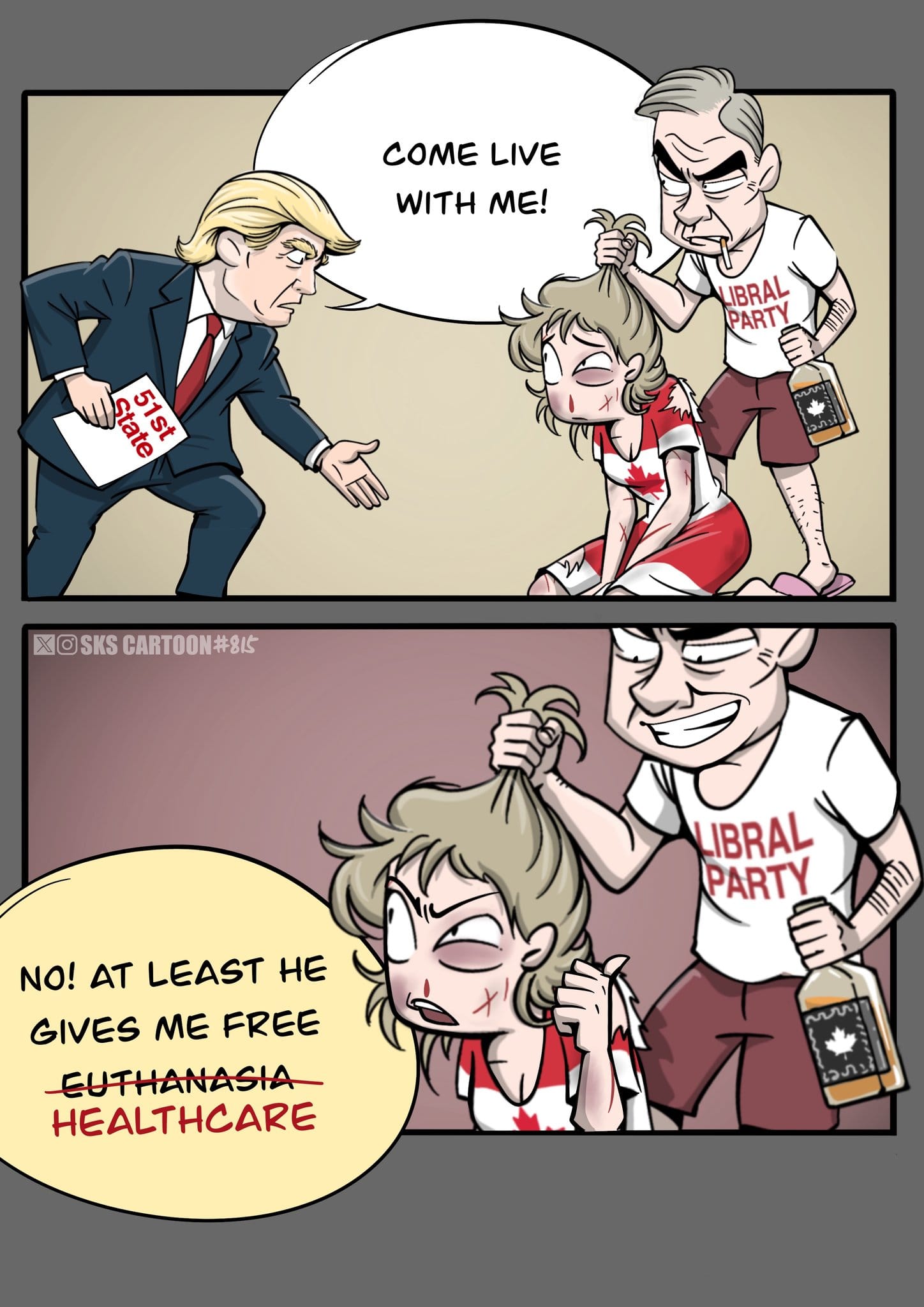
2025 — US added 25% steel and aluminum tariffs. The US suggested Canada should join the US as the 51st state. US applied pressure for Canada to tighten border security, trafficking, and crime.
2026 — USMCA is up for review. US attacks Iran, British financiers pull insurance from Strait of Hormuz, US creates a Federal Shipping Insurance Company underwritten by the US Navy.
InsightsHaving gone through public school in Canada, I was largely unaware of the overlapping perspectives in the highlighted timeline above. Some key insights that help shape where Canada is today, and where it is headed:
- Upper Canada was not settled until Loyalists came after losing the Revolution.
- Much of what is presented as Canadian history, is in fact reactionary Crown policy in response to American Expansionism, protection of the Crown’s colonial interests, and rebellions against the Crown.
- America fought for Independence from Britain repeatedly, both via literal warfare and trade protectionism. Canada on the other hand, has repeatedly stood with Britain against America, defending the Crown, defending its dependence.
- The Government of Canada, which is formally referred to as His Majesty's Government, is defined by the Canadian constitution as the sovereign acting on the advice of the Privy Council; what is known as the Governor-in-Council, referring to the governor general of Canada as the King's stand-in.
- The rest is American trade and economic integration, 75% of Canadian exports are to the US. Canada-US are each other's largest trade partners, creating a $1.5T cross-border economy, especially in manufacturing, materials, and agriculture.
- Which creates a conflicting dialectic with the Canadian anti-American political identity.
The US under Trump has moved away from the Neo-Con foreign policies that in the past have alienated America from its allies. It is quite obvious that the Trump Administration today is properly Tea Party Republican, very reminiscent of the first 130 years of American history. And that goes a long way to explain the current American posture towards Canada, as well as shed a much broader light on Canadian History. The US has the same position today, reminiscent of 19th century Monroe Doctrine. Trump calling Carney and Trudeau, Governors of Canada, is a dig at Canada’s status as a Dominion of the Crown. Canada owes allegiance to King Charles, the King’s Governor General has veto rights, the King’s Privy Council and the Laurentian Elite have a large influence over Canadian politics. Trudeau has appointed the last two Governor Generals of Canada.
My view is that Trump wanted Carney to win the election, which explains the timing of the annexation rhetoric during the 2025 Canadian Election campaign. Carney does not have the support of major Canadian industries and producers, particularly manufacturing, mining, energy and agriculture sectors. He is in a weaker position to secure favorable Canadian terms than a strong Conservative leader would be. If that was even his objective.
Canada is in the same position that it was in after the War of 1812 or after the Civil War. Both are periods where anti-American sentiment in Canada was strong due to the fear of losing territory, and trade to the US. Trade protectionism ran rampant with 50% tariffs on both sides. Most of Canada chose anti-America then, they chose allegiance to Britain. Canada has the same choice today, play ball and integrate even further with the US. Or play elbows up, revive trade with Europe, and encourage disintegration of the cross-border economy. The former implies a deepening alliance, which Argentina has taken to heart. The latter implies belligerence, and is evident in the popular anti-American rhetoric in the media today. In the 1800s the western provinces wanted free trade to export to the US. While Ontario and Quebec wanted protectionism to protect manufacturing from US competition. Today manufacturing is impacted much more negatively.
Politically the reciprocal tariffs today have had similar effects as 1890s with nationalism getting reignited with strong support for elbows up. But economically this has only hurt Canada. Even though it has reacted quickly to implement reciprocal tariffs and trade agreements with Europe and Asia, it cannot pivot infrastructure, and compete with exporters globally. The reality is widespread layoffs, job losses, and export reductions. Stagnant private sector and a growing public sector bureaucracy at 25% of jobs and GDP. Add to that Native land title disputes, crime, poverty, narcotics trafficking, and pronoun confusion. Back then Canadian manufacturing was competitive globally. And the UK was a strong trade partner. Neither is true today. America is Canada’s largest foreign investor and creditor. Canada can pretend to be elbows up, but that is in stark contrast to the current reality.
Alberta is currently gathering signatures for a petition to have a vote in Alberta for secession from Canada. Some compare this to Brexit. But Brexit had a clear exit clause, EU Article 50. And the UK was already sovereign. And it still took 4 years, from 2016-2020, to fully negotiate the exit.
Quebec has already done this twice, in 1980 and 1995. Both times the vote landed between 40-49% for secession. This creates no obligation on Canada to let Alberta leave. The optimistic case is that it would take several years to negotiate an exit. The pessimistic case is that it's a repeat of 1980 and 1995. If the Lower Canada Rebellions of the 1830s were any guide, this was entirely foreseeable. Why would the Crown let a province secede?
British subjects in Rupert’s Land literally fought this exact battle in 1869 and 1885 with Riel's Rebellions. The North West Mounted Police squashed these Rebellions, which led to Canada’s takeover of Rupert’s Land and the creation of the Provinces of Manitoba, Alberta, & Saskatchewan. This whole debacle contributed to the creation of Canada in 1867. Canada is literally anti-American, it's the only reason it exists.
One piece of history that jumps out is Lord Bathurst’s anti-American policies during and after the War of 1812. Canada refused Loyalist entry to Upper Canada, on the grounds that they didn’t want them to bring republican sentiments, and lose another colony to America. The Crown doesn’t want an independent, strong, vocal, Canadian identity.
Canadian history is based entirely around not becoming American, not becoming an independent state. America was not able to annex Canada because of how strongly loyalist Canadians opposed American annexation, and defended British interests. This is the same reason we have elbows up today.
One of the many ironies in this, is that as Canada’s largest creditor and trade partner, some Canadians joke about being the 51st state. “Those Americans, they own us.” The Americans don’t own Canada, the British do, and they’re renting Canada to America. And then Canadians use this as an argument for Canadian nationalism, instead of secession to the US. Republican statehood would put Canadian provinces on stronger footing to prevent Federal overreach.
It's the ultimate Prisoner’s Dilemma. Canadians are confused French Americans defending their British prison from American Republicanism. They’re working with the Americans for mutual gain, but are unable to shake off the political shackles. Britain has been in decline ever since WW2, and from a pragmatic point of view the Canadian political identity gains no benefit from allegiance with the King. Add to this the strained relations between the UK and US in 2026, and Canada’s elbows up policy under Trudeau and Carney, and this really puts Canada’s identity into crisis. It really is a Prisoner’s Dilemma. Canada passed the Clarity Act in 2000, establishing the conditions under which Canada will negotiate the secession of a province, requiring a "clear" referendum question and a "clear majority" to move forward. Federal Canada has no interest in losing a Province. Canada would much rather adjust Alberta’s equalization payments, compromise, and make concessions than cede the whole Province. But none of that enters the picture until Alberta has a clear majority vote for secession. Canada loses big time with elbows up. It would take decades to replace the volume of American trade infrastructure and logistics. Trudeau landlocked Canadian LNG when Germany came knocking. Argentina has literally just penned a massive LNG deal with the Germans, a major blow to the Canadian energy industry. So many opportunities to diversify have been wasted. Today’s version of elbows up is not just anti-American but anti-trade in general. It’s an extreme case of self destruction. It puts Canada in an incredibly weak position, where elbows up will continue to weaken Canada until it changes course, or is forced to take a worse deal than it could have.
The USMCA is up for review this year. Polls show 55% Canadians downplay USMCA risks, fueling "elbows up" delusion.And with a weak leadership and self-destructive elbows up policy, the US can only benefit. Add the rise of the US Monroe Doctrine, and strong negotiating style under Trump, the Canadian Sandwich is setting up as the main course for a huge 2026 American luncheon.
I deliberately avoided the use of AI in writing this. But I did use AI to check for accuracy and missed insights. It objected to the severity I placed on anti-American policy after the War of 1812, which is not supported by academic texts generally. But is supported by the orders that flowed down from Lord Bathurst at the time. This section of text from Electric Canadian written by Arthur M. Lower sheds a lot of light on this:
“During the war disloyalty had been found to be widespread; Americans who had come in previously had in numerous cases gone over to the enemy. American peaceful penetration had gone so far that “a few years would have rendered Upper Canada a complete American colony.” “The population, with the exception of the Eastern District, are chiefly of American extraction; these settlers have suffered to introduce themselves in such numbers that in most parts they form the majority, and in many, almost the sole, population.In some of the most populous parts of the Settlements, two-thirds of the inhabitants have absconded, abandoning valuable farms; even Members of the Provincial Legislature have gone over to the enemy.” Thus the doughty patriot, Baynes.
His views were the views of officialdom. They were put into official form in Bathurst’s despatch to Drummond of January 10, 1815, in which orders were given that no land was to be granted to Americans, and that they were to be prohibited as far as possible from coming into Canada. Nevertheless, Americans kept coming and, to keep them out of Upper Canada, a rather ingenious use of a current provincial statute was resorted to. All persons who had not been resident six months in the province, or who had not taken the oath of allegiance, could be “dismissed” upon very slight grounds. Lieutenant-Governor Gore ordered the magistrates not to administer the oath to any person “without a special authority”; no “special authority” being likely to be extended for the administration of the oath to Americans, they thus became automatically subject to “dismissal”. In addition, all children of Loyalists when applying for their land-grants were required to furnish a certificate proving their loyalty during the war. The refusal of the oath of allegiance was continued during the following years, and residence. In the United States during the war became prima-facie evidence of enemy nationality.”
— Arthur M. Lower, Canadian Historian
AI also objected to “the Crown having veto powers”. AI thinks it is a weak lever in real politics because it has only been used once in 1926. However, it serves to illustrate how embedded the anti-American identity is in Canadian culture and politics. Only one Canadian issue ever gone so far as to trigger a constitutional crisis. And ironically enough, it was about Liberal Party corruption.
The last line AI gave me was “History suggests Canada will again adapt pragmatically rather than disintegrate but the cost of elbows up posturing will be measured in lost investment, higher unemployment, and weakened negotiating position exactly as the text predicts. Alberta's push could force concessions or fracture; otherwise deeper US ties seem inevitable despite identity resistance. The sandwich may soon be forced to pick a side.” Meaning an ongoing choice between economic prosperity, or double down on anti-identity politics.